What genres of music use vocal fry?
Fry turns up across styles, each for a different reason. The status column shows how many independent sources back each row; we left jazz out because nothing we found supports it.
| Genre | How fry is used | Examples | Sources | Status |
|---|---|---|---|---|
| Pop | Light fry at the start or end of a phrase, mixed with breathy tone | Billie Eilish (“bad guy”), Britney Spears | 30 Day Singer; Naver vocal blog; Ramsey Voice | 2+ sources |
| Country | Male singers start a phrase in a “croak” and slide up into full voice; also for very low notes | Wikipedia names the practice, not specific songs | Wikipedia; Voices.com | 2 sources |
| R&B | Fry onsets for intimacy and texture | The Weeknd | Naver vocal blog | 1 source |
| Folk / singer-songwriter | Gravel and creak as a signature sound | Tom Waits | Ramsey Voice | 1 source (teacher) |
| Gospel and choral bass | Fry to reach notes below the modal range | Tim Storms, Mike Holcomb | Wikipedia; Voices.com | 2 sources |
| Metal and hardcore | Fry-named distortion techniques; teaching methods differ | See fry scream page | Extreme Vocal Institute; Wikipedia | 2 sources |
| Vocaloid / synthesized vocals | Fry added through parameter and automation editing | VOCALOID6 tutorial | YouTube user tutorial | 1 source |
How to do vocal fry when singing
Japanese vocal schools call singing fry エッジボイス (“edge voice”). The ATO vocal school teaches it in three steps, which match what English-language teachers describe:
- Find it on a sigh. Sigh out gently on “ah” and notice the creak at the very end as the air runs down.
- Slide down until it gets grainy. Lower the pitch until the sound breaks into an even, crackly texture. Try only a brief, comfortable sound without pushing; stop if it feels strained.
- Use it as an onset. Put a brief burst of fry before the first note of a phrase, then release into your normal sung tone.
Ramsey Voice Studio lists five uses of fry for singers: adding emotion, singing lower, preparing a metal growl, finding head voice, and releasing tension. Those are a teacher’s observations, not clinical findings, but they explain why fry is a common warm-up.
Does vocal fry improve singing?
It can help in specific ways. Because fry needs the folds to close with very little air, some teachers use it to help singers feel clean closure before moving up into full voice; a Korean vocal-coaching blog recommends 10 to 20 seconds of fry as a warm-up for exactly that. It also gives access to notes below your modal range. What it does not do is make your voice “stronger” by itself, and it is only useful without squeezing.
Do bass singers use vocal fry?
Yes, and this is one of the oldest uses. Wikipedia’s article on the vocal fry register describes choirs asking singers to fry the lowest notes when no true low bass is available, and names gospel basses Tim Storms and Mike Holcomb, who use the fry register for very low notes. Bass singers on Reddit’s r/BassSinging also discuss why audiences love hearing fry in that range. We found no first-hand interview with a named bass describing their own routine, so we stop at the practice itself.
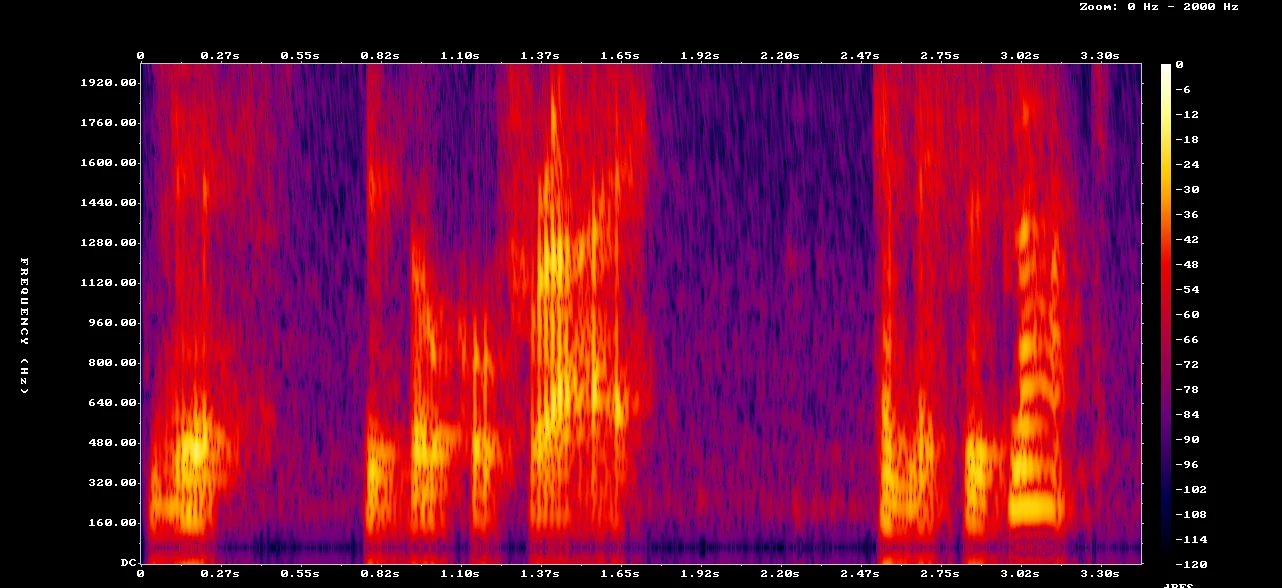
Hear it: Billie Eilish
30 Day Singer’s style breakdown describes Billie Eilish’s sound as fry plus airy falsetto and lots of slides; you can hear the fry at phrase edges in “bad guy”. Their analysis, from a singing-lesson company, is embedded below.
Vocaloid and synthesized fry
VOCALOID6 generates more expressive singing with AI. Users add fry-like effects by editing parameters and automation, and a user tutorial on YouTube shows the steps. We found no VOCALOID product page listing a dedicated fry control, so we describe it as something users build rather than a built-in knob. For speech synthesis, see why AI voices have vocal fry.
Practise it safely
- Keep it light. Fry should feel like a loose rattle, not a squeeze in the throat.
- Stop if it hurts or leaves you hoarse. Pain is a signal to rest, not to push through.
- Short reps beat long ones. A few seconds at a time is plenty.
- For screams, get a teacher. The Extreme Vocal Institute says most injuries come from forcing, not from fry itself, and a 2024 University of Utah Health study filmed a trained harsh vocalist using controlled, repeatable technique.